
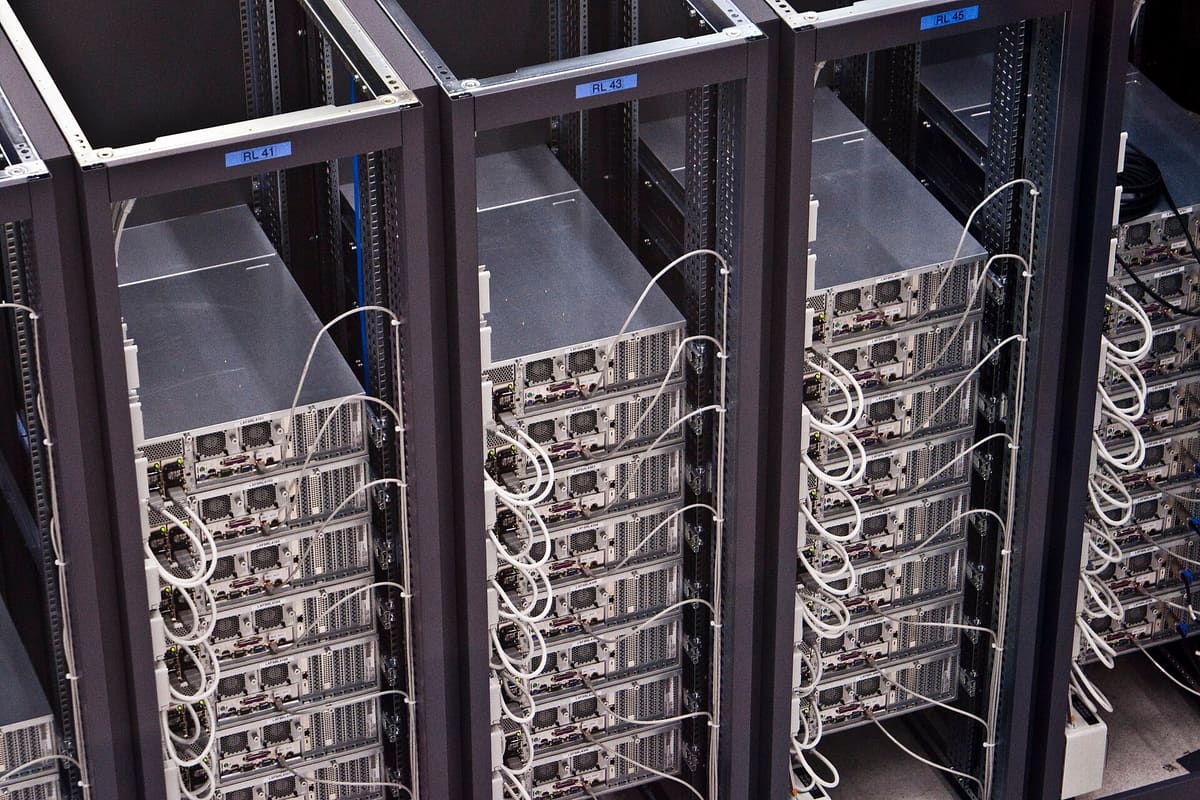
A domestic AI chip cluster of more than ten thousand cards has completed long-duration stability validation. Those involved say the tests covered fault recovery and job rescheduling under sustained heavy load.
Notably, the industry conversation is shifting from how many cards to how much compute per watt. As clusters grow, the marginal cost of power and cooling rises steeply.
Interconnect matters more than single-card performance
In large-scale training, communication overhead between nodes often determines effective compute. Several engineers said interconnect bandwidth and topology can matter more than peak single-card figures.
Having enough cards is not the same as being able to use them. Being able to use them is not the same as being able to afford them.— A systems engineer on the deployment
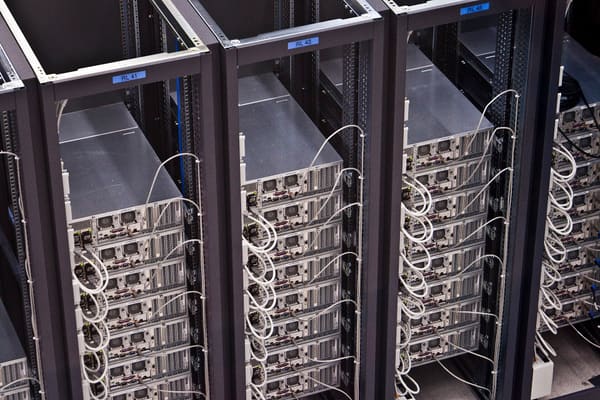
- Scale: 10,000-card cluster passed stability validation
- Focus: energy efficiency, interconnect bandwidth, fault recovery
- Weakness: maturity of the software stack and operator libraries
- Cost: power and cooling a rising share of operating expense
The software stack remains the acknowledged weakness. Operator library coverage, compiler optimisation and depth of support for mainstream frameworks directly determine migration cost.
Several practitioners expect the next two years of competition to play out in tooling rather than on hardware spec sheets.
Sent it to my family. They said the summary was fair.
I agree with about half of it. The rest depends on how it is actually implemented.
The last section is right. The problem was never the surface layer.
The last section is right. The problem was never the surface layer.
Saved to read properly later. Thanks for putting it together.
The takeaway for me is that it all comes down to execution.