
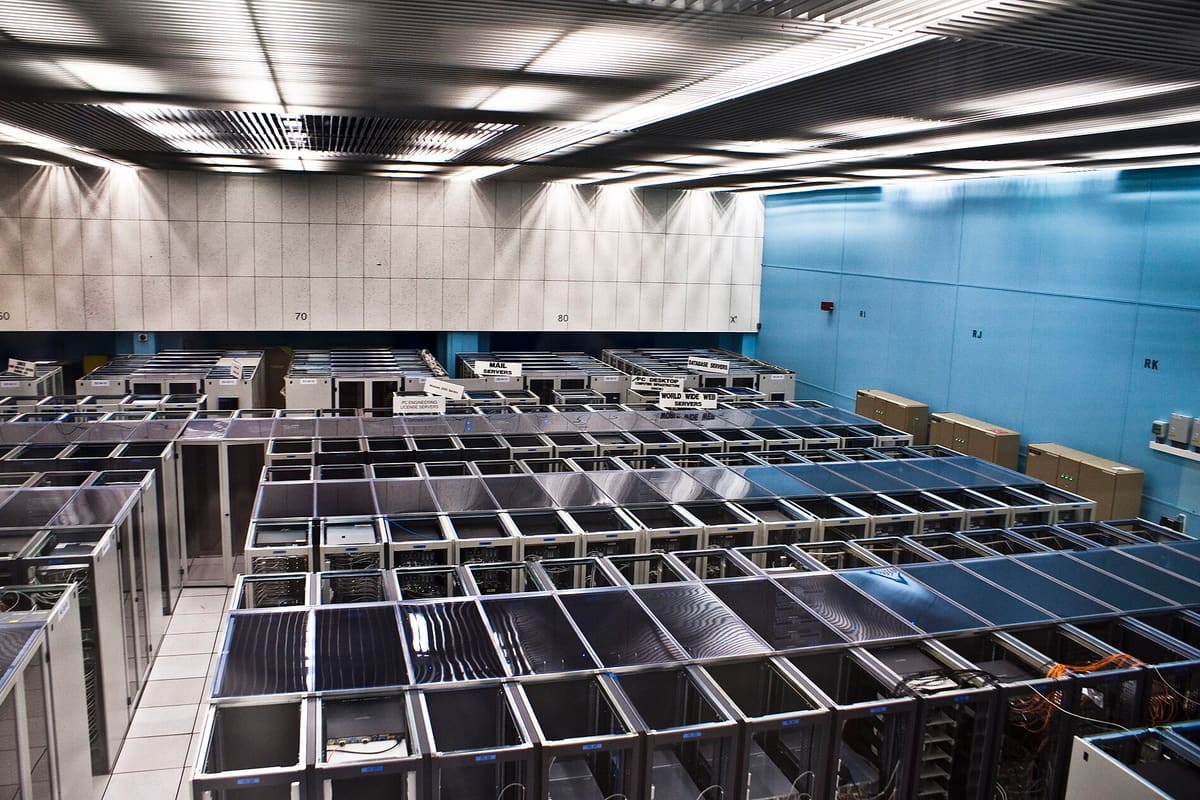
As power density per rack keeps rising, air cooling no longer makes economic sense in most new data centre projects. Liquid cooling is moving from option to default.
Engineering-wise, the advantage is not only heat removal but also noise, floor area and temperature uniformity. The upfront cost is clearly higher, and the pipework and redundancy design more complex.
The maths works over the operating life
Data from commissioned projects shows liquid-cooled designs achieving markedly better power usage effectiveness, with payback typically between three and five years depending on electricity price and load factor.
- Background: rack power density continues to rise
- Advantages: heat removal, noise, floor area, temperature uniformity
- Disadvantages: upfront cost and pipework complexity
- Payback: typically 3–5 years, depending on tariff and load
A newer line of discussion is waste heat recovery. Some projects are assessing whether hall waste heat can feed nearby building heating, constrained by pipe distance and the seasonality of demand.
Clearly written, and the section on the data is more solid than most coverage of this.