
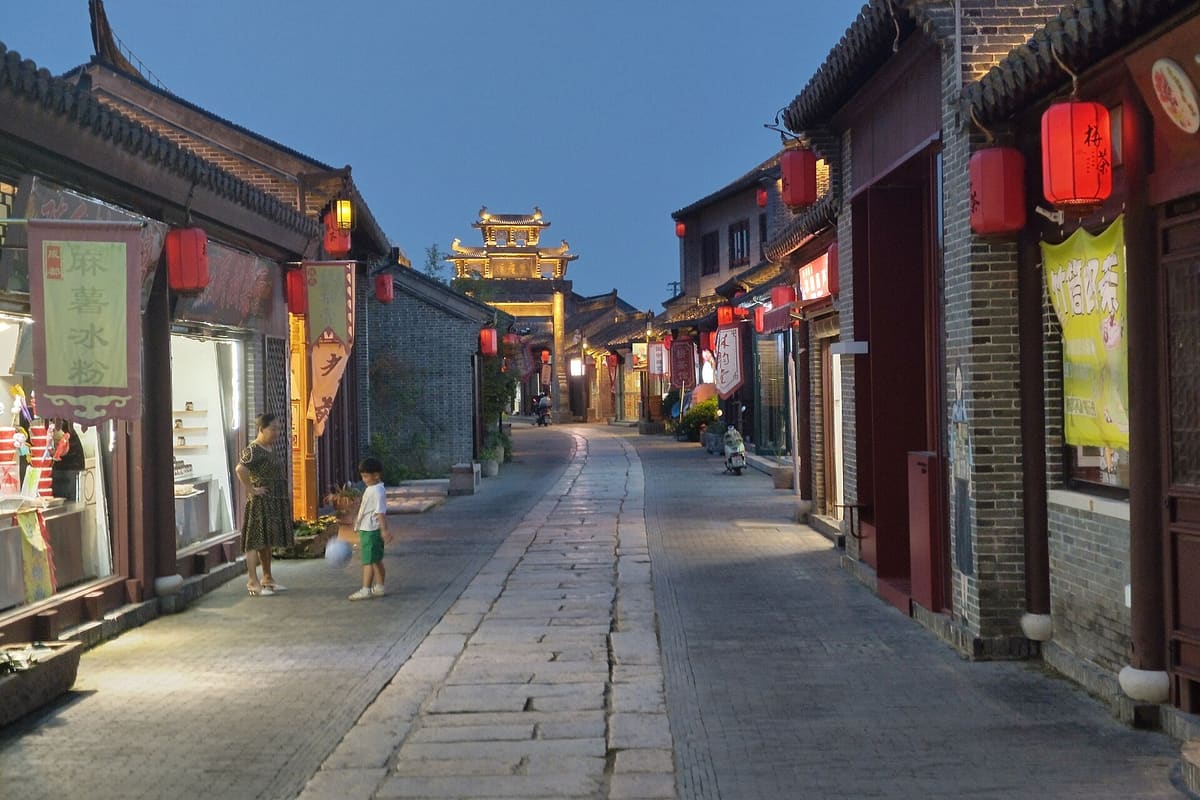
After every round of urban renewal we see the same photographs: clean facades, matching signage, light strips glowing at dusk. The photographs are good. The trouble is how little they can tell us.
What makes a street valuable sits in the parts that do not photograph — whether the cobbler of thirty years is still there, whether the soy milk shop that opened at six each morning has come back, whether the elderly resident on the first floor still has to walk the long way round to get downstairs.
A more honest number than footfall
Footfall is the easiest figure to quote and the easiest to manufacture. Fifty thousand people on opening day measures novelty, not durability. The return rate among original traders, the rise in rents, and the vacancy rate three years on are considerably more honest.
If renewal ends with everyone who lived there gone, what exactly was renewed — the street, or the people on it?
None of which is to say the work itself is wrong. Burying cables, reinforcing structures, adding step-free routes — these are real improvements, and usually the most expensive and least visible part of the spend.
Budget for going slowly
What deserves suspicion is treating the construction schedule and the opening date as the only measures of success. Repairing social fabric has no schedule. Traders need time to rebuild a regular custom; residents need time to become familiar with their own street again.
Somewhere in the renewal budget there should be a line reserved for going slowly. The money spent there shows a return only after five years — and that is precisely the part that decides whether a street survives.


Clearly written, and the section on the data is more solid than most coverage of this.
Clearly written, and the section on the data is more solid than most coverage of this.