
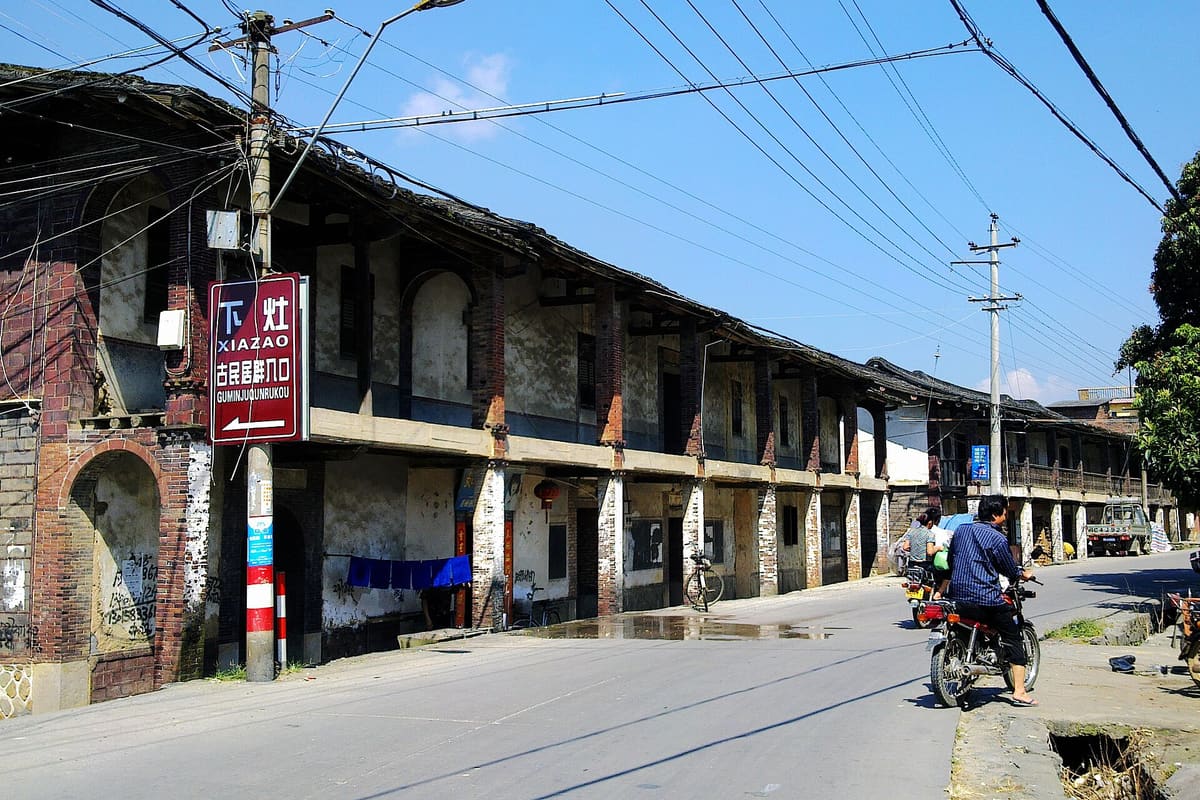
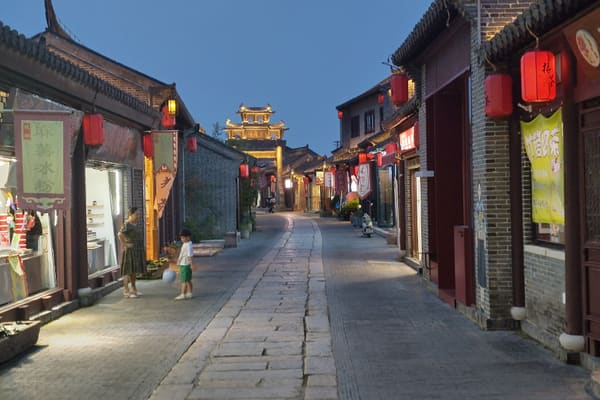
After twenty-two months behind hoardings, this street of more than a hundred and ten years reopened yesterday. Management put first-day footfall above 50,000 — roughly three times the busiest weekend before work began.
Unlike many comparable projects, the restoration did not demolish and rebuild. The design team kept every arcade and grey-brick facade along the street, reinforcing only seventeen sections where the structure was unsound.
Bury the cables, lower the steps
Most of the work is invisible, underground. The project lead explained that overhead power, telecoms and gas lines were all buried, and the drainage system rebuilt; three low points that flooded in every downpour have been raised.
The street gained 1.8 kilometres of step-free routes, and the threshold at every shop entrance was brought down to two centimetres or less. "We wanted someone pushing a pram or using a wheelchair to be able to go from one end to the other," the project lead said.
The value of an old street is not how new it looks, but whether it still recognises itself.— The lead architect on the restoration
Returns and rents
Management put the return rate for original traders at 74 per cent, with every business trading for more than twenty years coming back. Rents are around ten per cent higher than before, with a three-year transitional discount for long-established names.
Not everyone is reassured. A fabric merchant of more than thirty years said footfall was up but visitors "look a great deal and buy very little", and he is considering changing what he sells.
Clearly written, and the section on the data is more solid than most coverage of this.
I had not thought about it from this angle. It did shift my view a little.
Hope there is a follow-up. These things tend to drop out of view after a few weeks.
Hope there is a follow-up. These things tend to drop out of view after a few weeks.