
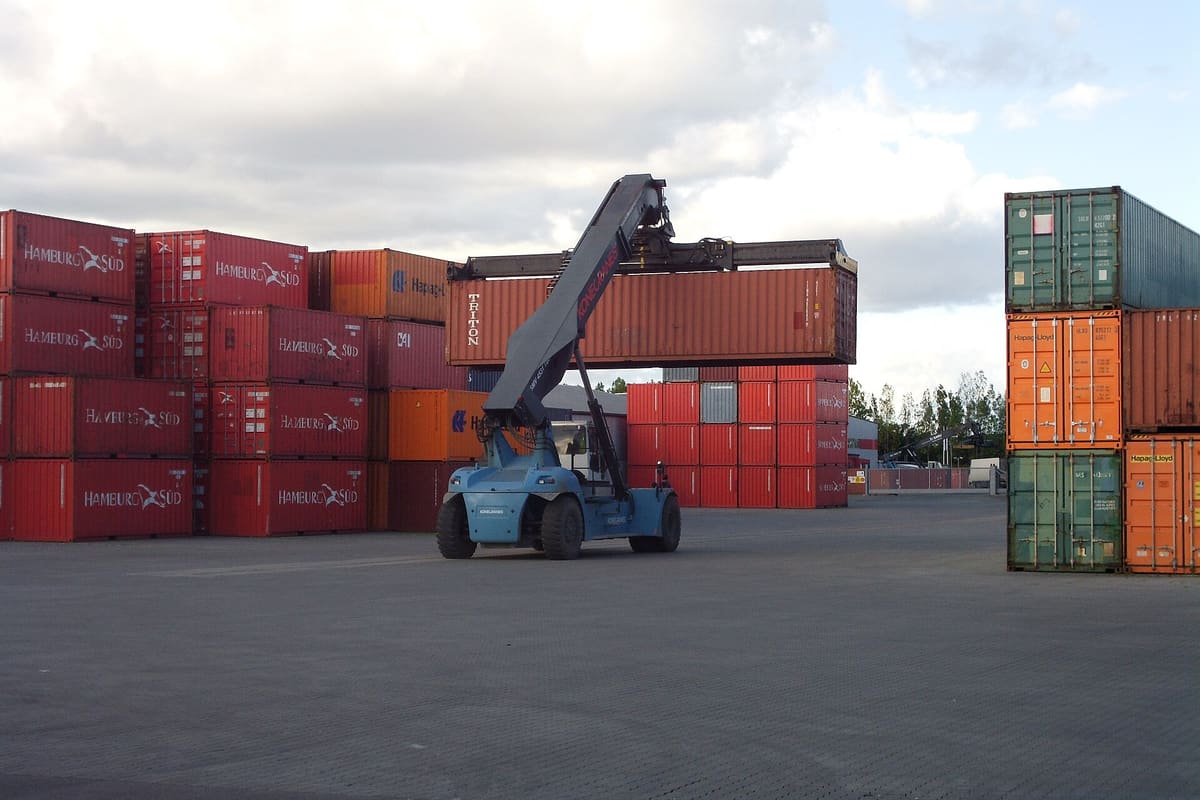
With passage through the main corridor still restricted, several container lines have confirmed they will keep to diverted routings for the foreseeable future. On current schedules, Asia–Europe voyages run about twelve days longer than planned.
Longer voyages feed directly into fuel and scheduling costs. Industry figures show spot rates on the Asia–Europe trade up around 40 per cent year on year, with double-digit jumps in some individual weeks.
The cost is reaching the shelves
For importers the pressure is not only the rate itself but the uncertainty over delivery. Several retailers said they had brought forward Christmas orders by four to six weeks to hedge against schedule slippage.
We no longer plan around the freight rate. We plan around when the ship actually arrives.— Logistics manager at an appliance exporter
- Voyage length: Asia–Europe around twelve days longer
- Rates: spot pricing up roughly 40 per cent year on year
- Response: Christmas orders placed four to six weeks early
- Contracts: most shippers have deferred talks to next quarter
Long-term contract negotiations have slipped as a result. Most shippers are waiting for schedules to settle before fixing a price, which in turn adds to volatility in the spot market.
Analysts note that freight costs typically take three to six months to reach retail prices, so the clearest effects are expected in the first half of next year.

I have seen something similar locally, and this matches what I noticed.
I have seen something similar locally, and this matches what I noticed.
Would be better with more specifics on the source of the figures, but otherwise fine.
Sent it to my family. They said the summary was fair.
I agree with about half of it. The rest depends on how it is actually implemented.