
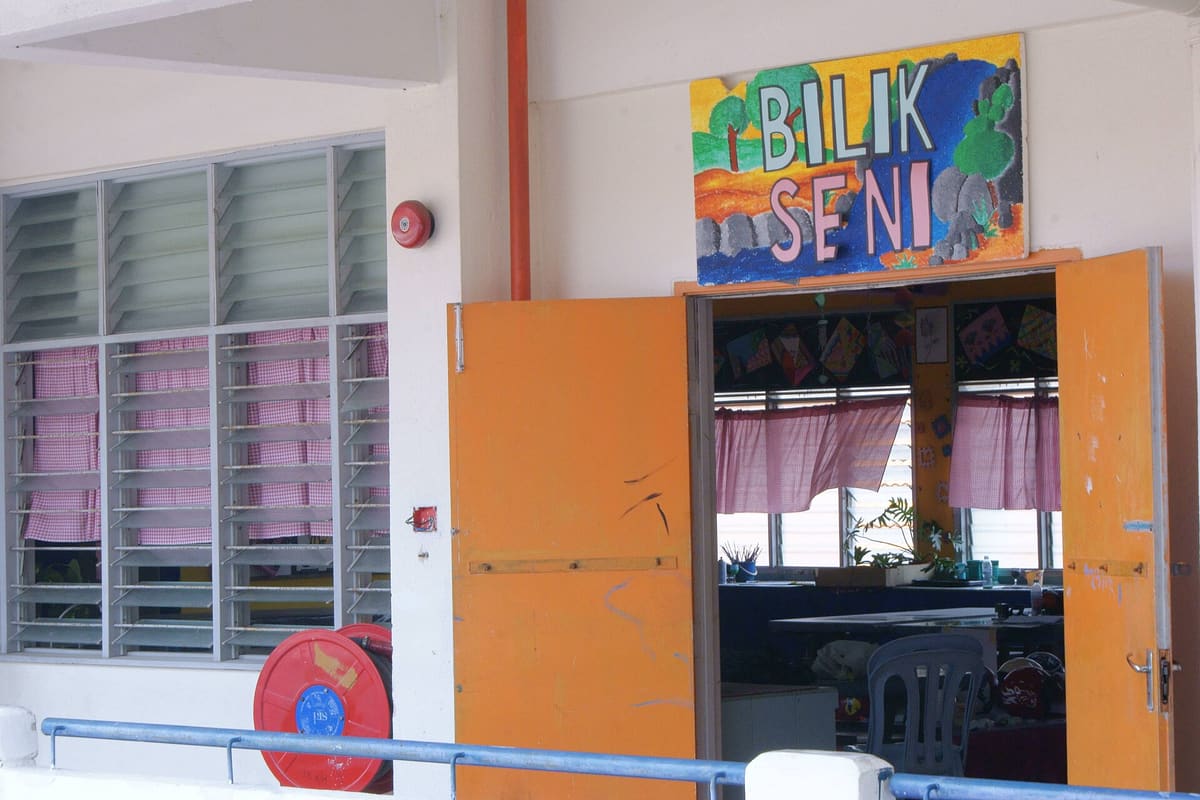
With less than a fortnight until the autumn term, education authorities in several areas have published their after-school arrangements. The clearest change from previous years is structural: sport and arts have been raised to around four in ten sessions.
Most schemes split the afternoon into two slots. The first is given over to homework support and independent reading; the second to clubs, sports training and arts, with parents choosing according to when they can collect their children.
Where the line falls
Several documents devote considerable space to boundaries: no teaching of new material during after-school hours, no academic tutoring repackaged as "interest classes" or "enrichment", and no compulsion to attend.
One education researcher noted that delivery will depend on staff and funding. "Writing PE hours into a document is easy. Finding a qualified coach at every school is not."
- Structure: sport and arts around 40 per cent of sessions
- Timing: two slots, chosen by parents
- Fees: public subsidy combined with shared costs in most areas
- Red line: no academic tutoring under another name
On fees, most areas combine public subsidy with a reasonable family contribution, waived for households in financial difficulty. Some have brought in outside providers, but require an approved list with clear grounds for removal.

Reader comments
489