
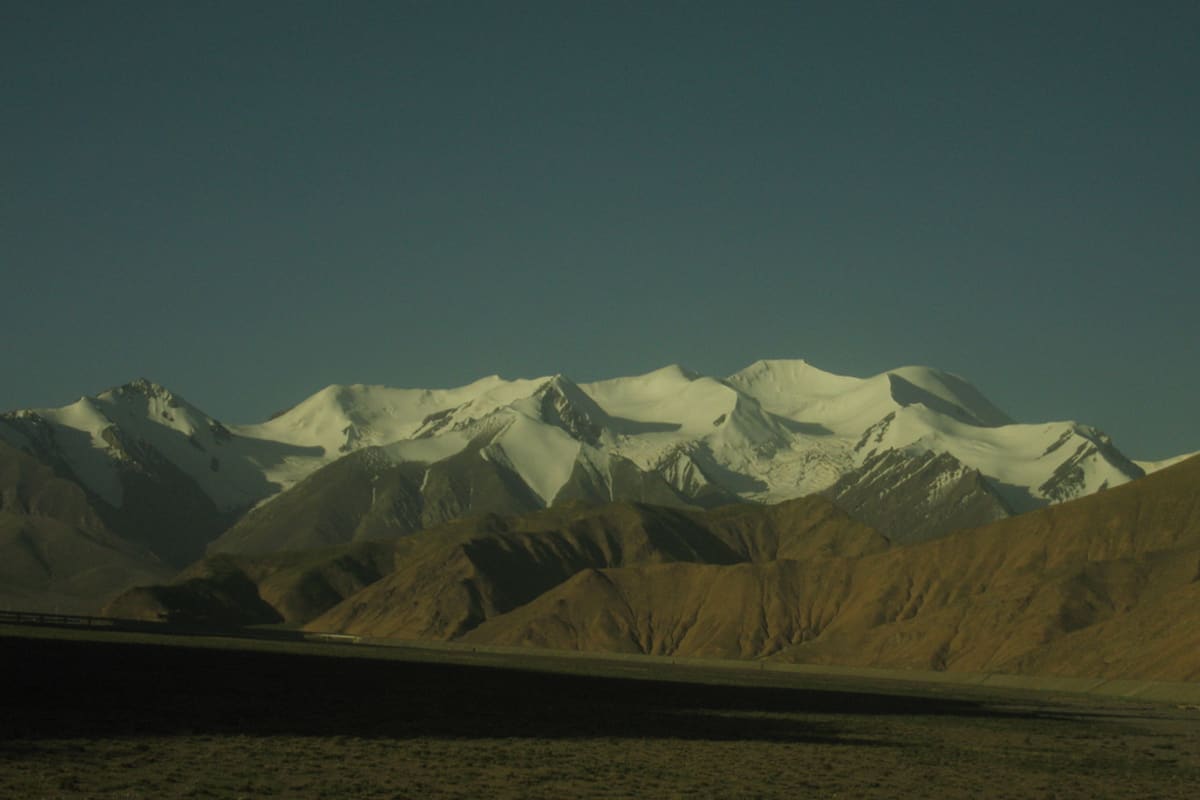
Autumn is peak hiking season and also when rescue cases cluster. Reading published rescue reports, most incidents begin not with navigation error but with misjudged timing.
First: work backwards from your return. Autumn sunset is markedly earlier than summer, and light disappears sooner still in valleys. Set your must-leave point at one hour before sunset.
Second: temperature swing
Second is the temperature swing. Mountain day-to-night differences can exceed ten degrees, and sweating at midday then chilling at dusk is common. A warm layer and a windproof layer are the two you do not leave behind.
- Timing: must-leave point one hour before sunset
- Temperature: carry warm and windproof layers
- Communication: do not rely on signal; carry a paper route
- Tell someone: leave your route and expected return time
Third is communication. Even popular routes have long stretches without signal. Do not hang navigation entirely on a phone; carry a paper route and an offline map.
Fourth is the simplest and most often skipped: before setting off, tell someone not walking with you where you are going and when you expect to be back.

Clearly written, and the section on the data is more solid than most coverage of this.
I had not thought about it from this angle. It did shift my view a little.
I had not thought about it from this angle. It did shift my view a little.
Hope there is a follow-up. These things tend to drop out of view after a few weeks.
I have seen something similar locally, and this matches what I noticed.
Would be better with more specifics on the source of the figures, but otherwise fine.