

You cannot judge an old town in high season. In high season they are all the same: crowded, open, lively.
We chose three towns at different stages of commercialisation and revisited them outside holiday periods. The most visible difference was not visitor numbers but how many people still live there.
Look at the opening rate, not the shop count
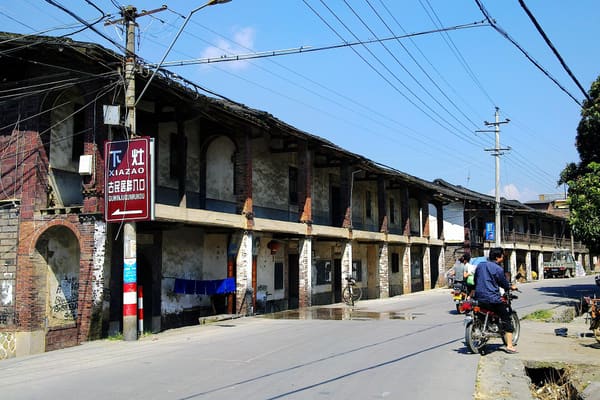
In the first town, nearly seven in ten shopfronts had their shutters down on a weekday. In the second the opening rate was around eight in ten, half of them serving local residents. In the third, almost everything was open.
If a street is only alive at weekends, it has stopped being a street.

- Indicator one: share of permanent residents
- Indicator two: off-season opening rate
- Indicator three: share of businesses serving locals
- When to look: weekday mornings and early evenings
The difference traces back to the rehousing arrangements made during restoration. The town that kept the highest share of original residents also feels most lived-in out of season.
This is not an argument against commercialisation, but a structure that depends entirely on visitors shows its hand in the off season.

Reader comments
704